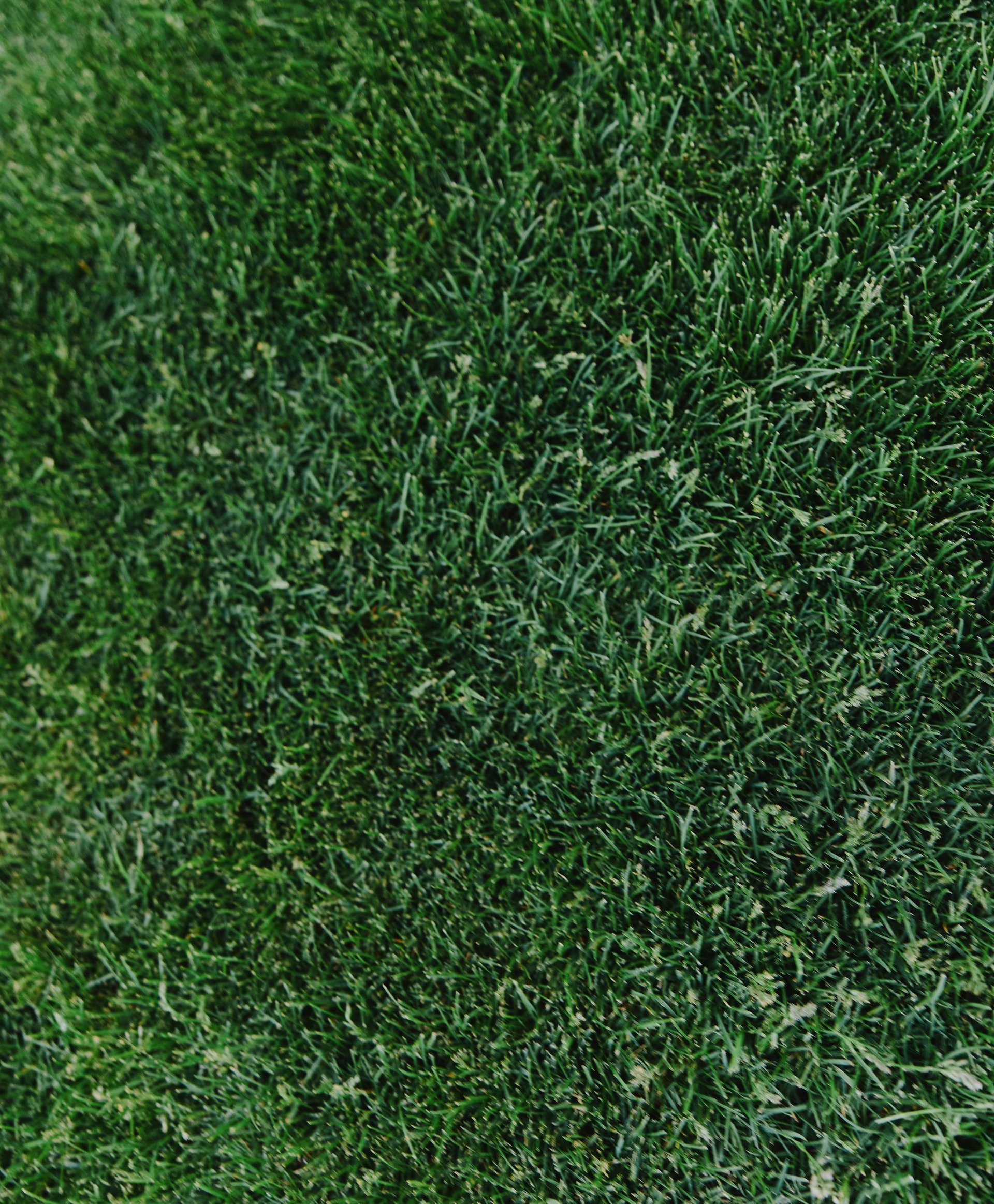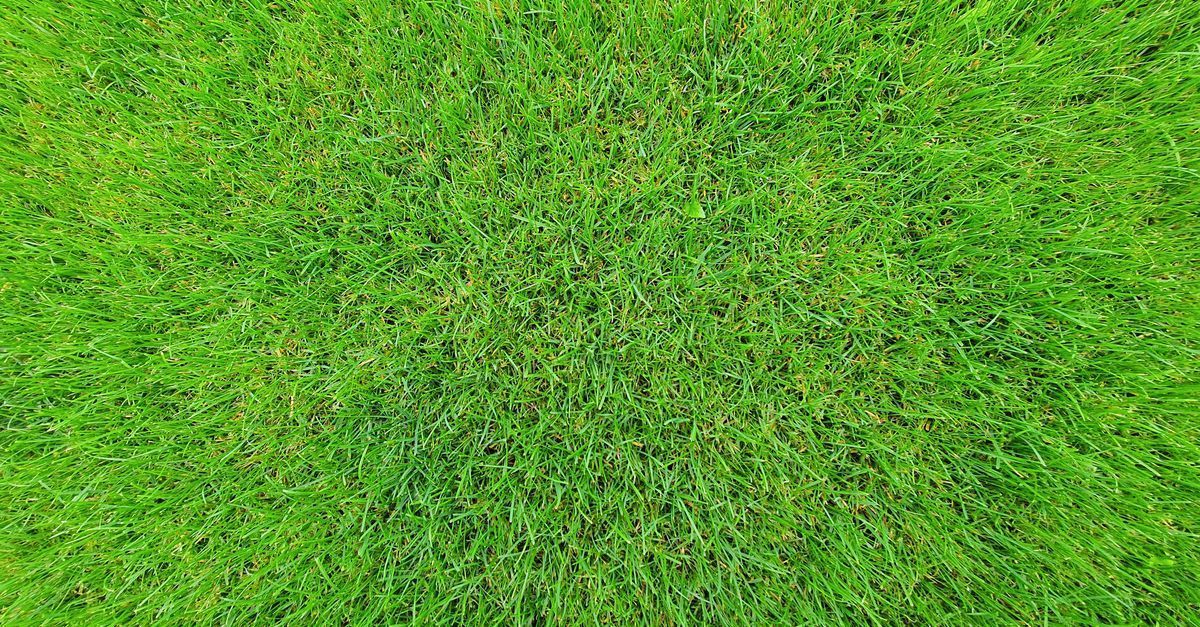
The best turf for shade on the NSW South Coast is a soft-leaf buffalo such as Palmetto Buffalo, which can cope with as little as three to four hours of direct sunlight a day. At Southern Turf, we grow Palmetto Buffalo and Kikuyu on our family farm in Bodalla, and shade is one of the most common problems we help customers with. Between tall gums, boundary fences and two-storey homes, plenty of yards across Eurobodalla, the Shoalhaven and the Bega Valley barely see the sun for half the day. This guide explains how to measure your shade, which grass suits it and how to keep a shaded lawn healthy.
Key Takeaways
- Palmetto Buffalo is the most shade-tolerant grass we grow, managing on as little as three to four hours of direct sunlight a day.
- Kikuyu is not suited to shade. It thins out in low light and needs full sun to stay thick.
- Before choosing turf, measure how many hours of direct sun each part of your yard gets, and remember that winter shadows stretch much further than summer ones.
- Some spots get too little sun for any lawn. An honest assessment upfront beats replacing dead turf later.
- We offer free quotes across Eurobodalla, the Shoalhaven and the Bega Valley.
How Much Shade Is Too Much for Turf?
Every lawn needs some direct sun, and below about three hours of direct sunlight a day, even shade-tolerant turf will struggle. Grass makes its food from sunlight. Without enough of it, any variety thins out, however well you look after it.
Direct sunlight means unfiltered sun landing on the leaves. Dappled light through a tree canopy or light reflected off a wall helps a little, but it isn't the same thing. When we talk about shade tolerance, we mean hours of direct sun.
Here's a typical example. A narrow side path along the southern fence of a house in Moruya might get no direct sun at all in winter, which is too little for any lawn. An open backyard on the same block might get several hours even in winter, which gives Palmetto Buffalo plenty to work with.
Big trees, sheds and the hills behind many coastal towns all change how much sun reaches the ground. A spot that gets good summer sun can lose most of it in winter, when the sun sits lower in the sky and shadows stretch further.
The Simple Sun Audit: Measuring Shade in Your Yard
A simple sun audit tells you how many hours of direct sun each part of your yard gets before you spend anything on turf. All you need is one clear day and your phone.
- Starting mid-morning, check each part of the yard every hour until mid-afternoon.
- Note whether each spot is in full sun, dappled light or full shade. A quick photo with a note works well.
- Pay most attention to the middle of the day. Midday sun is stronger and more useful to grass than weak early-morning light.
- Think about winter. Shadows from fences, sheds and trees stretch much further in June and July than they do in summer.
- Sort your yard into zones: under three hours of direct sun, three to four hours, and more than that.
Best Shade Tolerant Grass We Grow: Palmetto Buffalo
Palmetto Buffalo is the most shade-tolerant turf we grow for South Coast conditions. It's a soft, fine-leafed buffalo that tolerates as little as three to four hours of direct sunlight a day while keeping good colour and density.
- Handles mixed light: Palmetto performs well in full sun and partial shade, so it suits typical home yards where some areas get full sun and others are shaded by trees, pergolas or eaves.
- Holds its colour: it keeps its colour through the cooler months longer than most other varieties, which matters when shaded lawns can look tired in winter.
- Built for the coast: it's highly salt-tolerant and copes well with coastal humidity.
- Family-friendly: it's soft underfoot and low-allergenic, which suits barefoot kids and pets.
- Lower maintenance: it grows more slowly than Kikuyu, so it needs less mowing.
It's the variety we recommend most often for front yards, courtyards and any area where looks matter. You can read more about Palmetto Buffalo for the NSW South Coast on our variety page.
Where Kikuyu Fits (And Why It Isn't a Shade Grass)
Kikuyu is a full-sun grass and isn't suited to shaded areas. It thins out in low light, so we don't recommend it for spots that miss out on sun for much of the day.
In the right spot, Kikuyu is excellent. It's tough, fast-growing and recovers quickly from wear, and it's the most cost-effective option for big areas.
- Where it works: large, open backyards, sunny front yards, play areas and anywhere that gets heavy foot traffic in full sun.
- Where it struggles: along southern fences, behind sheds, under dense trees and in courtyards that only catch a little sun.
If more than a small corner of your yard is shaded for most of the day, Palmetto Buffalo is usually the better long-term choice.
Choosing the Right Turf for Your Shade Pattern
The right turf for a shaded yard depends on how much sun each area gets and how the lawn will be used. A few simple rules cover most South Coast blocks:
- Open, sunny yards with heavy use: Kikuyu.
- Mixed sun and shade , side yards and courtyards: Palmetto Buffalo.
- Deep shade all year: garden beds, gravel or paving rather than turf.
Shade and wear go together. Any grass repairs more slowly in shade, so dog runs and play areas under trees need some planning. Stepping stones or moving play equipment around can help.
It often makes sense to split a block into zones, with lawn where sun and access are good and other options where light is very low. For more on weighing up sun, use and maintenance, see our guide on how to choose the right turf for your lawn. If you'd rather have someone look at it, book a free on-site measure and we'll walk the yard with you.
How to Lay Turf in Shaded Areas
Turf in shade grows more slowly than turf in full sun, so preparation and timing matter even more. These are the steps we recommend:
- Prepare the soil: remove old grass and weeds, loosen the ground and improve drainage. Add organic matter to sandy soil, and work gypsum into heavy clay.
- Choose your timing: spring or early autumn is ideal on the South Coast, when mild temperatures help new turf take root. Palmetto Buffalo can be laid year-round with proper watering, but shaded areas root more slowly in winter.
- Lay it promptly and tightly: lay turf within 24 hours of delivery, butt the joins tightly and stagger them like brickwork.
- Water carefully: give new turf a good soak straight away and water daily for the first week, then reduce. Shaded areas dry out more slowly, so check the soil before you water to avoid fungal problems.
Looking After Turf in Shade: Mowing, Watering and Wear
A shaded lawn needs gentler care than a lawn in full sun. A few changes to your routine make a big difference.
- Mow higher: leave shaded grass longer than the rest of the lawn so it has more leaf to catch the light, and never remove more than one-third of the leaf in one cut.
- Water less often: shaded areas lose less moisture, so water when the soil is dry rather than on a fixed schedule. Water in the morning to reduce fungal risk.
- Feed lightly: fertilise in spring and autumn with a slow-release fertiliser, but don't overdo it in shade.
- Spread the traffic: lay stepping stones along narrow paths, move dog tracks where you can and give the shadiest spots a rest.
- Let in light and air: rake up fallen leaves, keep clutter off the lawn and thin lower branches. Even one extra hour of midday sun can turn a struggling area into a healthy lawn.
When Turf Won't Grow: Honest Alternatives for Deep Shade
Some spots are simply too shady for any turf, and it's better to know that before you buy. Under dense trees, beside tall retaining walls and along narrow southern side paths, grass often ends up thin, bare and muddy.
Tree roots make it harder still, because they compete with grass for water and nutrients. In those areas, these options usually work better:
- mulched garden beds with shade-loving plants
- gravel or pebble paths
- small paved or decked areas
- low ground covers that don't need mowing.
Why Talk to a Local Turf Grower About Shade?
A local grower can tell you how turf will actually perform in your yard, not just what a chart says. Southern Turf is a family-owned turf farm in Bodalla with over 20 years of growing and supply experience across Eurobodalla, the Shoalhaven and the Bega Valley.
We grow only Kikuyu and Palmetto Buffalo, and our shade advice comes from seeing how they perform on local properties week in, week out. We offer free quotes, and we'll give you honest feedback if a shady yard can't support a lawn. Give us a call on 0428 429 092 to talk it through.
Frequently Asked Questions
How much shade can Palmetto Buffalo handle on the NSW South Coast?
Palmetto Buffalo can manage on as little as three to four hours of direct sunlight a day while keeping good colour and density. That assumes reasonable soil, drainage and airflow. Below about three hours of direct sun, any lawn is likely to thin out, and alternatives such as garden beds or paving may make more sense.
What about Sir Walter or Sapphire Buffalo?
If you've been comparing Sir Walter Buffalo or Sapphire Buffalo, Palmetto is the variety we recommend for South Coast conditions. It gives comparable shade performance and has proven itself in our coastal climate. We grow only Palmetto Buffalo and Kikuyu, so our hands-on advice is specific to those two.
Will pruning trees really help my shaded lawn?
Yes, selective pruning can make a real difference. Lifting lower branches or thinning a dense canopy lets more winter sun and air reach the turf, and even one extra hour of midday sun helps. Use a qualified arborist for large trees, and check your local council's rules before any major pruning or removal.
Is it worth laying new turf in shade just before winter?
It's usually better to lay turf in a shaded area in spring or early autumn, when it can root before the shortest, coolest days. Palmetto Buffalo can be laid year-round with proper watering, but turf in shade roots more slowly in winter. If winter is your only option, talk to us first about timing and preparation.
How do I know if I should give up on turf in a really dark spot?
If an area gets no direct sun for most of winter and stays damp or mossy, it's probably too shady for any lawn. Bare patches, mud and weeds that keep coming back despite good care mean light, not maintenance, is the real problem. Send photos or book a free on-site measure with Southern Turf, and we'll give you an honest opinion on whether new turf will work.
Recent Posts