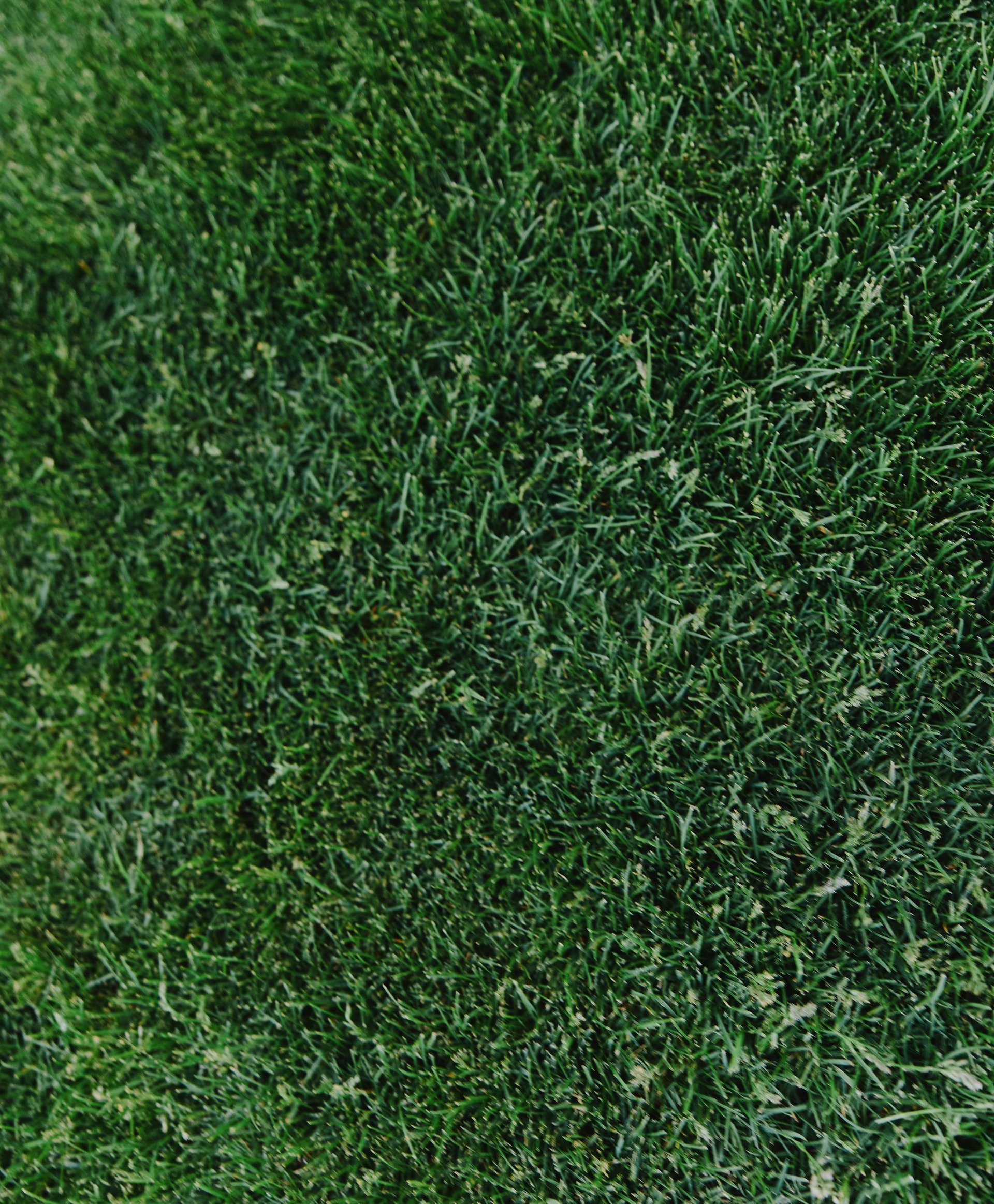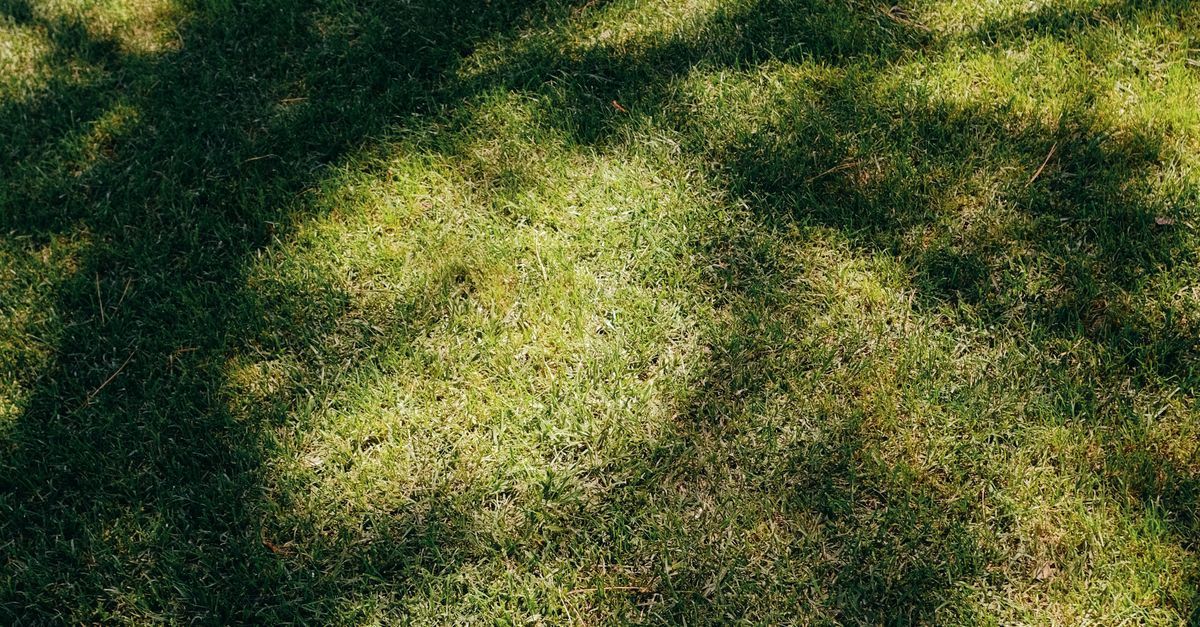
The most reliable signs of lawn grubs are brown patches that don't recover after watering, turf that feels spongy underfoot, and grass that lifts away like loose carpet. At Southern Turf, our family turf farm in Bodalla supplies Kikuyu and Palmetto Buffalo across the NSW South Coast, and grubs are one of the most common reasons people call us about a struggling lawn. This guide shows you how to spot the signs early, run a couple of simple checks yourself and decide when it's time to act.
Key Takeaways
- Curl grubs (the larvae of beetles such as African black beetle) feed on roots and cause brown, spongy patches that lift like carpet. Caterpillars such as armyworm chew the leaves instead.
- Early warning signs include birds pecking at the same spots, moths fluttering low over the lawn at dusk, and brown patches that stay brown after rain.
- Two simple DIY checks, a soapy water flush and a wet hessian sack, bring hidden grubs and caterpillars to the surface without digging up the whole yard.
- Grub damage to South Coast lawns mostly shows up in the warmer months, from spring through to autumn.
- For treatment options by pest, see our lawn weeds, pests and disease guide.
What Are Lawn Grubs and Curl Grubs?
Lawn grubs are insect larvae that feed on grass. On the NSW South Coast, the term usually covers two groups: curl grubs that eat roots below the surface, and caterpillars that eat the leaves above it.
- Curl grubs are soft, cream to white larvae with a brown head and six legs near the front. They curl into a C shape when disturbed. Beetles such as African black beetle lay eggs in the soil, and the larvae that hatch feed on grass roots just below the surface. This hidden root damage is what makes turf go spongy and lift away.
- Leaf-feeding caterpillars such as armyworm and sod webworm are green to brownish. They feed on the leaves at night and hide in thatch during the day, leaving ragged, chewed blades rather than root loss.
At Southern Turf, our turf is fertilised and treated for weeds and pests before it leaves the farm. Grub problems in an established lawn usually come from beetles and moths laying eggs in your yard. Whichever insect is involved, the signs below overlap enough that the same checks work for most lawn pests.
Common Signs of Lawn Grubs on the NSW South Coast
The common signs of lawn grubs are dying patches that don't respond to water, spongy ground, turf that rolls back like carpet and a jump in bird activity. If you're in Eurobodalla, the Shoalhaven or the Bega Valley and your lawn has suddenly gone downhill, here's what to look for:
- Brown or yellowing patches that spread outwards , often from what used to be the healthiest part of the lawn, especially from late spring to autumn.
- Spongy turf underfoot. A soft, uneven section that feels different from the rest of the lawn usually means the root zone has been eaten out.
- Grass that lifts or rolls back like loose carpet. This is the classic sign of curl grubs. With the roots gone, there's almost nothing holding the turf down.
- Patches that stay brown after rain or watering. Dead patches that stay dry and straw-like after decent moisture point to root loss rather than a dry spell.
- More birds than usual. Magpies, currawongs and ibis pecking at the same spots day after day are a strong clue that something worth eating is in the soil.
- Moths fluttering low over the lawn at dusk , especially near outdoor lights. These are often moths laying eggs for the next generation of caterpillars.
- Uneven edges to the damage. Grub damage rarely forms neat circles, because larvae are scattered unevenly through the soil.
Brown Patches vs Other Problems: Is It Really Lawn Grubs?
Brown patches can be caused by grubs, but also by dry weather, dog urine, fungal disease or mowing too low. It's worth ruling these out before treating for lawn grubs you may not have.
- Dry weather vs grubs: dry patches green up again once you water deeply or it rains. Grub-damaged patches stay brown because the roots are gone and the grass can't take up water.
- Dog urine: tight, round burn marks with a ring of dark green grass around the edge. These spots aren't spongy and the turf doesn't lift.
- Fungal disease: often shows as rings, spots or marks on the leaves. The grass stays rooted, unlike grub damage where the roots are eaten away.
- Scalping from mowing too low: the ground underneath is still firm and the turf stays anchored.
The quickest check is to gently tug at the edge of a brown patch. If the grass comes up easily with no roots, lawn grubs are the likely cause. If it holds firm and the roots are intact, look for another cause.
How to Identify Lawn Grubs: Simple DIY Checks
Digging a small inspection flap at the edge of a damaged patch is the most reliable way to check for lawn grubs yourself. It takes five minutes and a spade.
- Lift a small square of turf right where the brown patch meets the green grass. Fold it back and look through the top layer of soil for cream, C-shaped curl grubs.
- Check a healthy area too. In green, healthy spots you'll see dense, fibrous roots. In damaged areas, roots will be sparse or gone, which shows how much feeding has happened.
- Note how many you find. One or two grubs across a large area isn't unusual. Finding several in a small dig, alongside spongy, lifting turf, means you have an infestation worth acting on.
- Look for other culprits while you're there, such as adult black beetles near the base of the grass or caterpillars in the thatch. Root feeders and leaf feeders are managed differently.
Press the flap back down firmly and water it in afterwards so it can reattach.
Soap Flush and Wet Hessian Tests for Grub Infestation
A soap flush and a wet hessian sack are two simple, chemical-free ways to bring hidden lawn pests to the surface. Both work best in the warmer months, when pests feed closer to the surface.
- Soap flush test: mix a small squirt of mild dishwashing liquid into a full watering can and pour it slowly over about a square metre of suspect lawn. Wait ten minutes or so. Caterpillars and other insects irritated by the soapy water will wriggle up to the surface. Dawn or dusk works best.
- Wet hessian sack test: soak a hessian sack or old towel, lay it over the damaged patch in the evening and leave it overnight. Lift it first thing in the morning and check underneath for caterpillars and grubs sheltering in the damp, dark space.
Repeat both tests in a few spots, in both healthy and damaged areas, to see whether the problem is widespread or patchy. Afterwards, hose off any soapy residue so it doesn't scorch the grass, and keep the detergent mix mild.
When Are Lawn Grubs Most Active in NSW?
Lawn grubs are most active on the NSW South Coast in the warmer months, from spring through to autumn, when the soil is warm and moist. Damage can appear quickly at this time of year.
- Spring: adult beetles become active and lay eggs in lawns.
- Summer: young curl grubs hatch and feed on roots. This is usually when damage is most obvious.
- Late summer to autumn: caterpillars such as armyworm often build up after humid weather.
- Winter: activity slows as the soil cools.
Our coastal climate is milder than inland areas, so grub activity can keep going later into autumn. Keep checking for brown patches, birds and spongy ground until the weather properly cools.
Grub Damage: What It Does to Kikuyu and Palmetto Buffalo Lawns
Curl grubs chew through a lawn's fine feeder roots, leaving the grass unable to take up water and nutrients. The grass wilts first, then dies off in patches. Kikuyu and Palmetto Buffalo show the damage a little differently.
- Kikuyu spreads quickly by runners, so it can hide light grub damage for a while. Once the root zone is overwhelmed, though, sections thin out, dry off and collapse quickly.
- Palmetto Buffalo usually holds its colour well, so brown or grey patches that lift easily or feel hollow are a strong sign of serious root damage.
Heavy infestations can kill whole sections of lawn, leaving bare ground that won't recover on its own. Lighter damage thins the turf and opens the door to weeds. Birds help by eating some grubs, but they can't fix a serious infestation on their own.
What to Do Next: Inspection, Grub Control and When to Call for Help
Once you've confirmed grubs, the goal is to stop further damage and help the lawn recover. Here are the steps we recommend to South Coast homeowners:
- Confirm what you're dealing with using the inspection flap, soap flush and hessian sack checks. Treating the wrong problem wastes time and money.
- For light damage, good lawn care can help the grass outgrow it: deep watering, correct mowing height and steady fertilising.
- For spreading damage, use a product registered for curl grubs or caterpillars, and always follow the label directions. Our lawn weeds, pests and disease guide covers the main pests and how each one is managed.
- Repair the damage once the grubs are under control. Remove dead turf, improve the soil and patch with fresh Kikuyu or Palmetto Buffalo. Our turf is cut fresh to order at our Bodalla farm, and we can help you work out how much you need.
We've been growing turf on the South Coast for over 20 years. If you're not sure whether your lawn can recover or needs patching, give us a call on 0428 429 092 for honest, local advice.
Preventing Future Grub Problems with Good Lawn Care Practices
A healthy, dense lawn copes with grubs far better than a stressed one, and prevention mostly comes down to good everyday care.
- Mow at the right height and never take off more than one-third of the leaf in one cut. Avoid scalping, which weakens roots.
- Water deeply, twice a week rather than daily , so roots grow down into the soil and the lawn can handle losing a few to pests.
- Fertilise in spring and autumn with a quality slow-release fertiliser, rather than big feeds that push soft growth.
- Aerate clay soils once a year , ideally in spring, to keep roots strong and the turf dense.
- Manage thatch, particularly in Kikuyu. Dethatch once the spongy layer goes past about 15 mm, because thick thatch gives caterpillars and beetles somewhere to hide.
- Check every year from late spring through summer. Watch for moths at dusk, beetles around outdoor lights and the first brown patches.
Good lawn care is no guarantee against grubs, but it means your lawn bounces back faster when they do turn up.
FAQs about Signs of Lawn Grubs
How many lawn grubs are too many in a home lawn?
There's no exact number, and a few scattered curl grubs across a large lawn is fairly normal. The time to act is when you find several grubs every time you dig at the edge of a damaged patch, along with brown patches, spongy ground and turf that lifts like carpet.
Can a lawn recover on its own after lawn grubs?
Lawns with partial root damage can often recover with good watering, fertilising and mowing once the grubs are under control. Bare areas, or areas where the turf peels off in sheets, won't grow back on their own and need patching with fresh turf.
Are birds on my lawn always a sign of grubs?
Not always. Magpies and currawongs also feed on earthworms and other soil life. But if birds keep coming back to the same patches day after day, especially where the lawn is browning or spongy, run a soap flush test or dig a small inspection flap to check for curl grubs.
Should I replace my whole lawn after a grub infestation?
Most South Coast homeowners don't need to replace the whole lawn. It's usually enough to control the grubs, improve your lawn care and patch the worst areas. Southern Turf can supply Kikuyu or Palmetto Buffalo cut fresh to order for targeted repairs. Call us on 0428 429 092 and we'll help you work out how much you need.
Recent Posts